Sunday, April 20, 2025

Una Velita: Tiësto’s Puerto Rican Disco Ball of Righteous Intentions

Somewhere between Ibiza and a brand deal with a mineral water company, Tiësto—global trance messiah turned tropical-house uncle—decided to make a song for the people. Not just any people. The people of Puerto Rico. The result? “Una Velita.” Which translates to “a little candle,” and no, that is not a euphemism. It’s a heartfelt tribute to resilience, remembrance, and—let’s be honest—one hell of a streaming demographic.

You see, EDM isn’t known for subtlety. It’s the musical equivalent of an energy drink mixed with glitter and a Red Bull-fueled fist pump. But Tiësto? He tried something else: sincerity. And wouldn’t you know it? It works like a charm—if that charm has 128 BPM and a reggaeton backbeat.

Somewhere Between Beach Party and Church Vigil

Let’s start with the obvious: the beat slaps. “Una Velita” is a tropical-house anthem dressed up in local color and warm synths, perfectly engineered for swaying on the beach with a cocktail while pretending you understand Spanish. It’s soaked in sun, soul, and a touch of reverb-heavy introspection.

Tiësto overlays classic Latin percussive textures—bongos, congas, maybe a stray güiro—over a four-on-the-floor beat so friendly it might hug you. Add in soft, swelling strings and a rhythm that seems to nod at both mourning and celebration. The result? The soundtrack for a culturally aware destination wedding where everyone cries during the father-daughter dance.

 A Dutch DJ, A Boricua Icon, and a Whole Lot of Intentions

The headliner is Tiësto, of course—real name Tijs Michiel Verwest, because nothing screams “Caribbean authenticity” like a guy from the Netherlands. But the real flavor comes courtesy of Bad Bunny—the reggaeton prince of pain and party, delivering vocals that ache even when Auto-Tuned into celestial perfection.

The uncredited heroes? Probably a studio full of brilliant Puerto Rican session musicians and engineers, unpaid interns, and one marketing executive who whispered “heritage content” during a pitch meeting.

Proceeds go to the Instituto de Cultura Puertorriqueña, so at least your Spotify stream isn’t just making rich people richer. It’s also paying for someone’s drum circle.

Hurricane Maria, Cultural Memory, and EDM’s Guilty Conscience

This isn’t just a track, it’s a gesture. A digital bouquet. A neon candle in the window of a house with no roof. “Una Velita” traces its roots to Hurricane Maria, the 2017 disaster that leveled Puerto Rico and left the rest of the world briefly Googling what a Jones Act was.

Seven years later, Tiësto drops this track, and suddenly the glow sticks have meaning. It’s more than a banger—it’s a balm. Which is ironic, because EDM is usually more about making you forget than making you remember.

But here we are. Memory in 4/4 time.

Less Lyrical, More Liturgical

Tiësto’s remix doesn’t lean on full verses or narrative lyrics—instead, it pulls slivers and sentiments from Bad Bunny’s original “Una Velita.” What survives in the remix are vocal fragments—melancholy refrains, emotive murmurs, the kind of lines that drift into your brain without knocking.

These aren’t verses you memorize. They’re lines you feel. A few words about lighting a candle. A mention of someone’s absence. A sense that this beat is carrying grief on its back.

The lyrics, in both versions, orbit themes of loss, spiritual connection, and quiet devotion. Tiësto doesn’t erase those ideas—he distills them. The remix keeps their emotional contour intact while removing the explanatory scaffolding. The result? A song that doesn’t tell you what to feel—but dares you to feel something anyway.

Mourning, Marketing, and the Beat Goes On

“Una Velita” is many things: a charity single, a cultural tribute, a brand pivot, and—somewhere under the layers of production—a sincere attempt at mourning made danceable.

It’s Tiësto doing penance for years of playing Vegas pool parties while the rest of the world burned. It’s Bad Bunny slipping in a lament between tour stops and fashion shoots. It’s Spotify’s algorithm getting misty-eyed while trying to sell you sunscreen.

But more than that? It’s proof that even the most commercialized genre in the world still has room for light, loss, and community. In three and a half minutes, it becomes less about the DJ and more about the people dancing in the dark.

A Candle in a Genre Full of Strobes

Will “Una Velita” change the world? No. But it might change someone’s day. Maybe a Puerto Rican grandmother hears it on the radio and cries. Maybe a college kid plays it at a vigil. Maybe a kid with no power remembers lighting candles after the storm—and suddenly feels seen.

That’s the legacy: a tiny song that punches way above its paygrade.

And for EDM, a genre where “meaning” is usually measured in decibels, that’s a minor miracle.

Turntable, Meet Tenderness

So here we are: a Dutch DJ, a Puerto Rican icon, a song about candles, and a dance floor full of ghosts. “Una Velita” isn’t perfect. It’s not even Tiësto’s best work. But it’s his most human, and that’s worth more than another remix.

Because sometimes, the smallest light—one little velita—is enough to find your way home.

#UnaVelita #Tiesto #BadBunny #EDMRemix #LatinHouse #PuertoRicoMusic #CulturalTribute #DanceWithPurpose #NewMusicAlert #TropicalHouse #MusicForChange #PuertoRicanHeritage #EDMCommunity #NowPlaying #StreamingNow


Sunday, April 13, 2025

“Time” by Pink Floyd: A Cosmic Alarm Clock for the Chronically Oblivious


Here’s the thing about time — you don’t know you’re wasting it until you’ve already spent it, like a drunk tourist blowing fifty bucks on a papier-mâché souvenir in Times Square and only realizing it won’t fit in your suitcase. Enter Time, the sonic intervention none of us asked for, but desperately needed. Pink Floyd, those British masters of existential dread and audio wizardry, deliver a track that sounds like a midlife crisis wrapped in an echo chamber. It’s not just a song — it’s a cold slap in the face from the universe with a watch strapped to its wrist.

The Sound of Mortality: Musical Analysis

Let’s start with the opening: clocks. Lots of them. Grandfather clocks, cuckoo clocks, dentist’s waiting room clocks — a symphony of tick-tock dread. Engineer Alan Parsons recorded these from a real antique shop because clearly, subtlety was not on the menu. This leads into a slow, heartbeat-like guitar chime and a tribal drum pattern from Nick Mason that sounds like the soundtrack to your internal panic attack at age 37.

And then — bam! — David Gilmour’s guitar cuts in like a laser through a fog of regret. Gilmour’s solos on Time aren’t just solos. They are midair dissertations on the futility of youth, written in distortion and delay. Richard Wright’s keys? Ethereal. Weightless. The sound of your dreams floating away while you pay your electric bill. And Roger Waters? He’s lurking in the background, pulling the strings, like a grim, philosophical Muppet who’s been smoking too many Gauloises.

Who’s to Blame? The Players

  • David Gilmour – Vocals, lead guitar. Basically the guy who makes you wish your soul had a vibrato setting.

  • Nick Mason – Drums. The tribal heartbeat of the piece; understated and ominous.

  • Richard Wright – Keyboards, vocals on the bridge. Your melancholy cousin who brings poetry to the cookout and bums everyone out (but you love him).

  • Roger Waters – Bass, lyrics. Angry. Brilliant. The guy at the bar telling you your dreams are dead, but also picking up your tab because he’s not heartless.

A Bit of Background: Dark Side of the Moon and Cultural Origins

Time lives on The Dark Side of the Moon, the 1973 concept album that basically shoved progressive rock through a black hole and pulled out a metaphysical masterpiece. The album explores themes like madness, money, death, and — surprise — time, with all the subtlety of a philosopher on acid.

When Dark Side dropped, it wasn’t just an album; it was a seismic event. People bought it by the truckload. It stayed on the Billboard charts for 741 years (okay, 741 weeks, but same difference in Floyd time). It became the unofficial soundtrack to dorm rooms, laser light shows, and every stoned teenager’s awakening to the crushing weight of their mortality.

Lyrical Analysis: A Punch to the Existential Gut

Waters’ lyrics are brutal in their honesty, like a self-help guru who just got fired and doesn’t give a damn anymore:

“Tired of lying in the sunshine, staying home to watch the rain / You are young and life is long, and there is time to kill today…”

Charming. Until you realize it’s about how you’ve wasted your twenties watching reruns and now you’re thirty-five with chronic back pain and a LinkedIn profile you haven’t updated since Obama’s first term.

The song crescendos into its darkest revelation:

“And then one day you find ten years have got behind you / No one told you when to run, you missed the starting gun.”

It’s not just poetry — it’s a slow-motion car crash where the car is your life, and the airbag is made of shame.

The bridge, sung by Wright, shifts tone — softer, resigned, but no less devastating:

“Every year is getting shorter, never seem to find the time…”

That’s not a lyric. That’s your grandmother whispering your fate while you scroll Instagram for the fifth time in an hour.

The Collective Meaning: A Rock Song as Life Coach

Time isn’t telling you to seize the day — it’s telling you the day already seized you, gave you a wedgie, and walked off with your lunch money. It’s not about hope. It’s about reality. It’s the opposite of those “Live Laugh Love” signs. It’s “Panic, Regret, Die.” And somehow, that’s comforting — because at least someone said it out loud.

Impact and Legacy: Still Screaming into the Void, Just Louder

Pink Floyd didn’t just write a song — they composed a generational reckoning. Time is still played, streamed, quoted, and misinterpreted by teenagers who think they’re deep and boomers who suddenly realize they are, in fact, not immortal. It’s been covered, sampled, parodied, and used in film, TV, and graduation montages by editors who clearly didn’t listen to the lyrics.

It remains one of the greatest reminders in rock history that if you don’t get your act together, time will do it for you — and it doesn’t leave a note.

Conclusion: Tick-Freaking-Tock

If Time were a person, it’d be the wizened old man in a bar, hunched over a pint, whispering, “You’re running out of runway, kid.” And he’d be right. It’s a song that doesn’t coddle, doesn’t uplift, doesn’t inspire in any traditional way. It just is — brutally honest, sonically gorgeous, and devastatingly timeless.

So listen to it again. But this time, maybe turn off the lights. And for the love of God, check your watch.

#PinkFloyd #Time #DarkSideOfTheMoon #ExistentialRock #RogerWatersWisdom #DavidGilmourGuitarGod #ProgressiveRock #MiddleAgeCrisisAnthem #SoundtrackToMortality #TickTockMother #ClassicRockTruthBombs #1973AndStillHurts #ClockpunkTherapy #FloydianPhilosophy


Sunday, April 6, 2025

“Hallowed Be Thy Name”: A Hymn for the Headbanged


Some songs exist to fill space, to pad albums like cheap stuffing in a sofa you found on Craigslist. Then there are songs like “Hallowed Be Thy Name,” which rip open the furniture of your soul, set it on fire, and hand you a beer while quoting Scripture.

Written by bassist Steve Harris—a man who looks like he’s been living in a bass rig since 1979—this 1982 Iron Maiden closer is less of a song and more of a theological crisis with guitars. Released on The Number of the Beast, it’s the kind of track that makes you think about life, death, and why your mom warned you about heavy metal. It’s also the song most likely to be found scrawled into a teenager’s spiral notebook next to bad drawings of skulls and the word “DOOM.”

Hanging in 7 Minutes of Heaven (and Hell)

Clocking in at 7:12, “Hallowed Be Thy Name” is a masterclass in escalation. The piece opens with slow, tolling clean guitar notes—a dirge in D minor, the saddest of all keys, according to Spinal Tap and likely confirmed by Dante. A haunting bell chimes in the background, setting the stage for the prisoner’s last walk, one that involves dual harmonized leads and galloping rhythms that could trample a Roman army.

Then comes the transformation: around the 3:30 mark, the song explodes into a flurry of rhythm changes, with Clive Burr’s drumming sounding like the floor just fell out from under a medieval execution platform. The guitar duo of Dave Murray and Adrian Smith doesn’t just shred—they sermonize, tossing leads back and forth like sinners in the hands of an angry God.

And through it all is Steve Harris, whose bass gallop is the horseman of the metal apocalypse, a rhythm section unto himself.

No Weak Links in This Chain

  • Bruce Dickinson (vocals): A man who sings like he’s halfway between Shakespearean tragedy and demonic possession—and somehow makes that work.

  • Dave Murray & Adrian Smith (guitars): Twin guitars that could slice atoms apart if they weren’t already busy harmonizing like pagan choirs of hell.

  • Steve Harris (bass & writer): The philosopher-warrior of metal, wielding his bass like a flaming sword and occasionally getting sued for lyrical plagiarism.

  • Clive Burr (drums): A rhythmic avalanche. Burr was on his way out of the band at the time but left behind a parting gift in percussive perfection.

The Number of the Beast – Hello, Satan, Are You There? It’s Me, Steve

This was Iron Maiden’s third album and the first to feature Bruce Dickinson on vocals. The Number of


the Beast
 hit shelves like a fistful of angry brimstone in 1982, causing Bible study groups everywhere to convulse in horror and delight. It catapulted Maiden into metal superstardom and into the crosshairs of moral crusaders who somehow missed the nuance in the band’s apocalyptic fiction and thought they were literally inviting Satan to prom.

“Hallowed Be Thy Name” closes the album like a coffin lid—final, ominous, unforgettable.

Waiting for Death, Talking to God, and Maybe… Us?

The lyrics follow a condemned man on the eve of his execution. But it’s not a protest song or a glorified prison ballad. No, Steve Harris wasn’t interested in just telling a story—he wanted a reckoning.


“I’m waiting in my cold cell when the bell begins to chime
Reflecting on my past life and it doesn’t have much time”


This is existential panic wrapped in iambic pentameter and dipped in molten lead. The man begins by accepting his fate, but as the gallows grow near, he veers into spiritual vertigo—asking whether this is truly the end or just a transitional chapter in the worst self-help book ever written.


“When you know that your time is close at hand
Maybe then you’ll begin to understand
Life down here is just a strange illusion”


It’s the Bhagavad Gita meets Ozzy Osbourne, and weirdly, it works. These lyrics are either the most heavy-handed metaphor for adolescence ever written or an actual metal prayer for the damned. Possibly both.

The Gallows as a Mirror

“Hallowed Be Thy Name” isn’t really about one man’s death. It’s about all of us. It’s about the moment you realize your time is finite, your beliefs may not be waterproof, and you forgot to clean out your browser history. It taps into a very real fear—that when the end comes, we won’t be ready. It’s what happens when metal puts down the axe and picks up the chalice.

Holy Hell, This Song Won’t Die

This is one of Maiden’s most played songs live, with only a few absences over the years. It’s been covered by everyone from Dream Theater (who turned it into a 10-minute space opera) to Cradle of Filth (who added corpse paint and possibly actual blood).

It even became the subject of a lawsuit—because what’s more metal than copyright infringement?

Despite all this, it remains untouchable. It’s the song they play when you want to prove metal has brains, beauty, and a little blasphemy.

Hallowed Be Thy Metal

Iron Maiden’s “Hallowed Be Thy Name” is what happens when metal grows up, reads Dostoyevsky, and decides to go to church—but only if it can set the altar on fire. It’s the band’s holy writ, their closing argument in the court of musical immortality.

It’s not just about death. It’s about defiance. It’s about screaming into the abyss and hearing a power chord echo back.

And if God really is listening?

Well, He might just be headbanging too.

#IronMaiden #HallowedBeThyName #TheNumberOfTheBeast #HeavyMetal #MetalLegends #BruceDickinson #SteveHarris #ClassicMetal #MetalHeadsUnite #80sMetal #MetalHistory #EpicSongs #MetalAnthems #RockNostalgia #MusicAnalysis #GallowsPoetry #MetalIcon #LiveMetal #MaidenFans #HeadbangersBall


Sunday, March 30, 2025

“Another Brick in the Wall (Part 2)”: A Protest Song in Four-Four Time with a Side of Disco and Dystopia

There are few moments in music history when a song simultaneously makes you want to burn down your school and shake your ass. “Another Brick in the Wall (Part 2)” is one such moment. Released in 1979 by Pink Floyd—those eternal lords of angst, ambiance, and extended metaphor—it managed to sneak a protest anthem into the clubs by slathering it in disco grease and handing the chorus to a children’s choir. And somehow, it worked. It worked so well, in fact, that it pissed off Margaret Thatcher, the South African apartheid regime, and more than a few tweed-jacketed music teachers who were just trying to make it to retirement without getting quoted in Rolling Stone.

Players on the Field: The Usual Suspects, and Some Miniature Revolutionaries

 Roger Waters, bassist, lyricist, and resident misanthrope, wrote the piece. He also produced it, brooded over it, and probably muttered the word “fascists” under his breath 400 times during the recording.

 David Gilmour, guitarist and singer, did what Gilmour always does: he took something grim and made it gorgeous. His solo—recorded on a 1955 Gibson Les Paul Gold Top with P-90s—slices the air like a scalpel made of velvet.

 Bob Ezrin, producer and probable warlock, was the disco whisperer who told the band to add a four-on-the-floor beat. He also decided the song needed a children’s choir, because nothing says “down with the system” like 23 eleven-year-olds chanting about the collapse of modern education.

 Nick Mason (drums) and Richard Wright (keyboards) kept it tight and sparse—this wasn’t the time for Rick Wakeman cosplay.

And of course, the Islington Green School Choir, who went from studying Tchaikovsky to yelling “Hey! Teacher! Leave them kids alone!” in less time than it takes to schedule a parent-teacher conference.

Dark Sarcasm Meets Disco

On paper, it shouldn’t work. A dystopian concept album? Check. A minimalist song structure with two chords and a sulking bassline? Check. A disco beat that probably made Gilmour consider chewing his own pick in protest? Double check. But the genius is in the contradiction.

The rhythm section is hypnotic, pulsing like a synthetic heartbeat, while the guitar riff feels like it’s trudging through molasses with intent. Gilmour’s solo, meanwhile, is a scalpel-sharp indictment of every teacher who ever said, “You’ll never make it as a musician.”

The juxtaposition of Waters’ snarling vocals and the choir’s angelic rebellion is what pushes this track into the pantheon of musical irony. It’s weaponized innocence.

Rebellion in Plain English

“We don’t need no education / We don’t need no thought control”

Ah yes. The double negative that launched a thousand grammar complaints and just as many teenage revolts. These aren’t lyrics. They’re battle cries. This is Roger Waters turning his boarding school trauma into a lyrical Molotov cocktail.

The phrase “dark sarcasm in the classroom” might be one of the finest pieces of bitter poetics ever slipped onto vinyl. And “All in all you’re just another brick in the wall” becomes the thesis statement—not just of the song, but of The Wall as a whole. Everyone around Pink (the protagonist of the album) is complicit in building the psychological fortress that isolates him. Teachers, mothers, lovers—they’re all bricks.

This is less a song than a trial record.

Where Disco Meets Dystopia

The Wall, released in late 1979, was already a sprawling rock opera about abandonment, isolation, and the twisted hellscape of fame. But “Another Brick in the Wall (Part 2)” stood out because it somehow became a single. A hit single. A danceable hit single. From Pink Floyd.

That’s like releasing a catchy anthem from Schindler’s List.

The band hadn’t released a single in the UK since 1968, and they hated the idea. Waters reportedly told Ezrin he was wasting his time. Ezrin ignored them, built a Frankenstein of verses, choruses, and a choir, and made music history.

Thatcher, Apartheid, and the Dancefloor

The backlash was swift and, frankly, hilarious.

The Inner London Education Authority called the song “scandalous.” Margaret Thatcher hated it. South Africa banned it outright after students used it to rally against apartheid-era education policies. Pink Floyd went from being prog rock weirdos in planetariums to insurgent icons overnight.

And what did the kids get for their contribution? A concert ticket, a copy of the record, and no royalties. Because of course they didn’t. The British education system wasn’t about to reward protest.

It wasn’t until 2004, thanks to a legal change and some dogged detective work, that the choir members got a slice of the pie. It was a long time coming. A bit like justice. Or a good Gilmour solo.

A Brick Laid in Perpetuity

“Another Brick in the Wall (Part 2)” is more than a song. It’s a musical middle finger. It’s a protest wrapped in a groove, a scream masked as a singalong. It took the detached experimentalism of Floyd and shoved it into the center of pop culture, proving that a protest doesn’t have to be shrill—it can be seductive.

And nearly half a century later, it still hits like a ruler across the knuckles. Only this time, the kid slaps back.

#PinkFloyd #AnotherBrickInTheWall #RogerWaters #DavidGilmour #TheWall #ClassicRock #ProtestSong #MusicHistory #RockLegends #70sRock #IconicSongs #RockOpera #MusicThatMatters #EducationReform #DiscoRebellion #ConceptAlbum #CulturalImpact #GuitarSolos #BobEzrin #IslingtonGreenSchool #DarkSarcasm #SoundtrackToRebellion #MusicLegacy


Sunday, March 23, 2025

“Jumpin’ Jack Flash” – The Devil Wears Capos

By 1968, the Rolling Stones had floated a bit too far into the cosmic lava lamp of the late sixties. Their Satanic Majesties Request was their acid-drenched detour into a rainbow-hued Wonderland where sitars outnumbered guitars and everyone looked like they’d just escaped from a Peter Max poster. Then came “Jumpin’ Jack Flash” — a gritty, snarling little monster that kicked the glitter to the curb, lit a cigarette, and reminded the world: “Oh right, we’re that band. The one that sounds like the devil borrowed a rhythm section.”

Swamp Blues Meets Swinging London

Let’s start with the riff — because, let’s be honest, this song could be five minutes of that riff and no one would complain. It’s all open D tuning, squashed through a cheap cassette deck like a sandwich in a glovebox, and then reassembled into something so gloriously dirty it makes your teeth feel gritty. Keith Richards, the maestro of menace, layers it with a Nashville-tuned high-strung acoustic, giving it that sparkly-yet-sinister shimmer. The rhythm is relentless — Charlie Watts on drums doing what Charlie Watts always did: laying it down with the smirk of a jazzman watching the world burn. Bill Wyman allegedly cooked up the riff (sure, Bill, and I invented gravity), and plays organ on the track, though that’s like bragging you brought napkins to the Last Supper.

Brian Jones, by then somewhere between his last great moment and his next acid bath, contributes a guitar part that peeks through here and there, like a ghost reminding you who started this band. Producer Jimmy Miller even throws in backing vocals, because of course he did — no one gets out of a Stones session without a bit of soot on their soul.

Personnel: Rock’s Most Beautifully Functional Dysfunction

 Mick Jagger: Vocals, attitude, and about 70% of the song’s swagger

 Keith Richards: Guitar, bass, riff sorcery, and casual legend status

 Brian Jones: Guitar, spectral presence, soon-to-be pool ghost

 Bill Wyman: Organ (maybe riff originator, maybe not — choose your own adventure)

 Charlie Watts: Drums, human metronome, silently judging your fashion choices

 Jimmy Miller: Producer, background howler, den mother to chaos

From the Garden to the Gates of Hell

The story goes that the title came when Mick woke up in the country and heard Jack Dyer, Keith’s gardener, stomping past the window. Keith mumbled, “That’s Jack… jumpin’ Jack.” Voilà. Rock’s most dangerous myth born from a lawn maintenance routine. The band had been staggering under the weight of their own psychedelic experimentation, and this was the exorcism. It wasn’t an album track — not at first. Just a single, kicked into the world like a lit match, paired with “Child of the Moon,” a B-side so trippy it should come with a warning label.

The single was a hit immediately. #1 in the UK, #3 in the US, and #1 in Keith Richards’ blackened little heart forever.

Born in a Crossfire, Baptized in Gasoline

“I was born in a crossfire hurricane.” Now that’s how you start a song. Forget “Hello,” forget “Is this thing on?” — Mick opens the track like a man reporting live from the mouth of Hell. The lyrics are pure swagger-as-therapy. A survivor’s tale screamed through busted amps and eyeliner. It’s not quite a narrative, but more a series of jabs: “I howled at my ma in the driving rain,” “I was raised by a toothless, bearded hag,” and eventually, “it’s all right now, in fact, it’s a gas!”

This is rock ‘n’ roll salvation. The lyrics drip with blues mythology filtered through LSD paranoia and cockney cynicism. It’s Delta blues if Delta airlines were run by Satan, and every in-flight announcement was a confession.

Camille Paglia — because every good rock song deserves an academic footnote — suggested a William Blake influence, citing The Mental Traveller. So if you’re keeping score at home, that’s one part Blake, two parts Chuck Berry, and a splash of methamphetamine. Shaken, not stirred.

A Gas, Gas, Gas — Forever

This is the Rolling Stones’ Most Performed Song. Over 1,100 live renditions. The musical equivalent of a Swiss Army knife — it opens every tour, closes every encore, and sometimes does both. It’s been on every major compilation since 1969, covered by everyone from Aretha Franklin to Peter Frampton, and even repurposed in a Nintendo DS rhythm game where alien overlords are vanquished by synchronized boogie. Because of course they are.

And let’s not forget its real legacy: that first lyric gave its name to the FBI’s “Crossfire Hurricane” investigation into Trump’s 2016 campaign. That’s right — somewhere in the dusty corridors of justice, an intern probably had to Google “Was Jumpin’ Jack Flash about Russia?”

The Riff That Wouldn’t Die

“Jumpin’ Jack Flash” is more than just a song — it’s a declaration of survival with a rhythm section. It was the track that grabbed the Rolling Stones by the lapels and said, “Enough flowers, enough face paint — let’s get back to making music that kicks people in the teeth.” It launched a new era, set the bar for swagger, and proved that sometimes the best way out of an acid trip is through the blues.

It’s not subtle. It’s not polite. It’s rock and roll, drag-kicking itself back from the brink, covered in mud and glory. And if there’s one thing we know about the Stones, it’s this: when the riff hits right, and the hurricane’s still howling, it is a gas.

Now go play it loud enough to scare your neighbors. They’ll thank you later. Or sue you. Either way, you win.

#JumpinJackFlash #RollingStones #MickJagger #KeithRichards #ClassicRock #BluesRock #RockLegends #GuitarRiffs #MusicHistory #1968Rock #BritishInvasion #RockNRollRoyalty #SongAnalysis #CulturalImpact #ItIsAGasGasGas

Saturday, March 15, 2025

Don’t Let Me Be Misunderstood: Nina Simone’s Perfectly Understood Masterpiece


In the pantheon of songs that people use to excuse their bad behavior, Don’t Let Me Be Misunderstood sits comfortably at the top, right next to My Way and every country song that blames the whiskey. First recorded by Nina Simone in 1964, this track wasn’t just a plea for empathy—it was a masterclass in controlled emotional devastation. Before it became a rock anthem or a disco banger, it was a song so hauntingly raw that you could practically hear the weight of the world pressing down on Simone as she played.

This isn’t a song. It’s a confession. And a damn fine one at that.

The Art of Understatement

Nina Simone’s version of Don’t Let Me Be Misunderstood is built on a deceptively simple groove—lightly brushed drums, a bassline that slinks rather than walks, and Simone’s piano, which sounds like it’s exhaling the song rather than playing it. The melody floats like a whispered regret, with a string section creeping in like a memory you’ve tried to forget. There are no flashy solos, no dramatic crescendos—just a quiet, insistent heartbeat underneath a voice that demands your full attention.

The song moves like an intimate conversation. The kind where you know someone is on the verge of crying, but they refuse to break. It’s that powerful.

Who’s Playing This Magic?

 Nina Simone – Vocals, piano, and a lifetime of barely concealed fury.

 Hal Mooney – Arranger, aka the guy who made sure those strings sounded like ghosts whispering in your ear.

 Uncredited Session Musicians – Because session musicians never get the credit they deserve. These were likely some of New York’s finest, backing Simone with the kind of precision that only studio pros can pull off.

Simone was always meticulous about who played on her records. If you didn’t bring the right mood, you weren’t bringing anything at all.

The Album and the Public Eye

The song first appeared on Broadway-Blues-Ballads (1964), an album that sounded exactly like its title: a mix of show tunes, bluesy heartbreakers, and the kind of ballads that make you rethink your life choices.

When Simone recorded it, the world wasn’t quite sure what to do with her. She was a classically trained pianist who played jazz like it was gospel, sang folk like it was opera, and treated pop music like it was an afterthought. When Don’t Let Me Be Misunderstood dropped, it didn’t set the charts on fire, but it became a slow-burning icon—an underground anthem for the misunderstood, the melancholic, and anyone who ever wanted to throw a drink in someone’s face but decided to just sit there and seethe instead.

Then The Animals got their hands on it, turned it into a snarling rock song, and suddenly people were paying attention. But make no mistake: it was Nina’s song first.

A Lesson in Controlled Desperation

“Baby, do you understand me now?

Sometimes I feel a little mad…”

Translation: I am an artist, a genius, and a human being. Sometimes I have bad days. Deal with it.

“But don’t you know that no one alive

Can always be an angel?”

Even saints have off days, but apparently, I’m not allowed to have one? That’s rich.

“When things go wrong, I seem to be bad

But I’m just a soul whose intentions are good

Oh Lord, please don’t let me be misunderstood.”

This is the gut punch. Simone isn’t asking for forgiveness—she’s asking for understanding. She’s not making excuses; she’s explaining reality. We all screw up. We all lose our cool. But does that make us villains?

What makes these lyrics so devastating is that Simone doesn’t sing them like a plea—she sings them like a verdict. There’s no begging, no melodrama. Just a simple truth that she knows you won’t understand.

From Jazz to Rock to Disco to Immortality

Nina Simone’s Don’t Let Me Be Misunderstood has had more lives than a cat in a tight spot.

 The Animals turned it into a blues-rock anthem in 1965, making it sound like a bar fight between Eric Burdon’s voice and his own self-loathing.

 Santa Esmeralda turned it into a flamenco-disco fever dream in 1977, complete with endless guitar riffs and a beat that refused to die.

 It’s been sampled, covered, and referenced by everyone from Elvis Costello to Lana Del Rey, proving that its core message—“I am more than my worst moments”—is timeless.

 Quentin Tarantino dropped the Santa Esmeralda version into Kill Bill: Volume 1, because of course he did.

Despite all this, Nina Simone’s version remains the definitive one. Why? Because only she could make the song sound like it was bleeding.

A Classic for the Emotionally Exhausted

In the grand scheme of musical history, Don’t Let Me Be Misunderstood is more than just a great song—it’s an artist’s manifesto. It’s a statement that says, I am complicated, I am flawed, and I am worth understanding.

Simone didn’t just perform this song. She embodied it. She sang it with the exhaustion of someone who had explained themselves one too many times. And that’s why it still hits just as hard today.

If you’ve ever been judged unfairly, if you’ve ever had your worst moments define you, if you’ve ever wanted to scream “THAT’S NOT WHO I AM!” but didn’t have the energy—this song is for you.

And if you still don’t get it? Well, Nina Simone would probably just stare at you, shake her head, and play something else.

#NinaSimone #Don’tLetMeBeMisunderstood #TheRealVersion #SorryAnimals #NotAllDiscoIsBad #EmotionalExhaustionAnthem #TimelessClassic


Tuesday, March 11, 2025

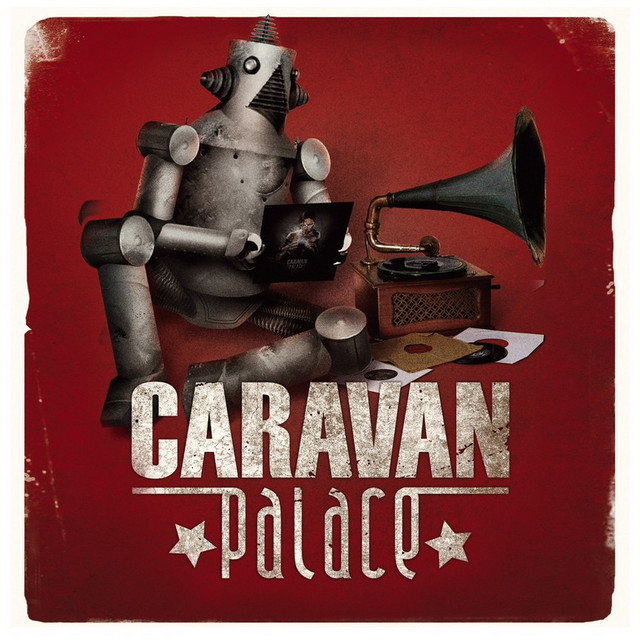
Jolie Coquine – Caravan Palace’s Saucy Time Machine

 Jazz, Electro, and a Smuggler’s Swagger

If Django Reinhardt and Daft Punk had a love child raised by a Parisian cabaret troupe, it would sound like Jolie Coquine. Caravan Palace, the electro-swing maestros, took everything dusty, old, and sophisticated about swing music, slapped a neon visor on it, and sent it breakdancing into the 21st century. And guess what? It works. Released on their 2008 self-titled debut album, Jolie Coquine became the mischievous gateway drug for an entire generation discovering that yes, swing can and should come with a drum machine.

Gypsy Jazz Gets a Makeover

Musically, Jolie Coquine is a Frankenstein’s monster of high-energy swing and electronic pulse. Picture a smoky underground jazz club, except the saxophone player is wired into an amp, and the drummer thinks he’s in a house music rave. The track opens with a cheeky, stuttering clarinet riff, immediately announcing that you’re about to dance whether you like it or not. The driving double bass slaps along with machine-like precision, giving the track a bouncing, locomotive groove. Then the synths creep in—subtle at first, then all-consuming, like a mad scientist taking over the bandstand.

And let’s talk about that voice—playful, slinky, and distinctly French. Zoé Colotis, Caravan Palace’s lead singer, doesn’t just sing; she teases, smirks, and winks at the listener with every syllable. Her delivery sits somewhere between a 1920s flapper and a modern electro-pop siren, perfectly complementing the mix of old-world charm and new-age chaos. The instrumental breakdowns? Pure dancefloor gold, ensuring that even the most rhythmically challenged among us can flail around convincingly.

Who’s Cooking Up This Madness?

Caravan Palace is a band that thrives on not taking itself too seriously, but musically, these folks are as tight as a drum.

 Zoé Colotis – Lead vocals, the sly voice of temptation.

 Charles Delaporte – Double bass, the backbone of the groove.

 Arnaud Vial – Guitar, bringing the gypsy jazz riffs straight out of the Django Reinhardt playbook.

 Hugues Payen – Violin, injecting a little “chase scene from a heist movie” energy.

 Antoine Toustou – Trombone, adding that smoky, vintage brass charm.

 Paul-Marie Barbier – Percussion and keys, stitching the whole madness together.

 Raphaël Clerc – Rhythm guitar, making sure the swing swings hard.

These people are having the time of their lives, and it’s impossible not to get swept up in their contagious, time-warping energy.

The Album and the Public Eye: From Niche to Global Cool

Released in 2008 on Caravan Palace’s debut album, Jolie Coquine arrived when the world wasn’t entirely sure what to do with electro-swing. Was it a gimmick? A passing trend? A hipster fever dream? Caravan Palace didn’t care. They threw their synths and swing beats into the world with reckless abandon, and people loved it. The track quickly became an anthem for anyone looking to party like it’s 1929—except with WiFi and strobe lights.

Caravan Palace rode the digital wave to popularity, racking up millions of streams and sneaking their way into commercials, dance playlists, and European music festivals where the only rule was “if you’re not moving, you’re dead.” Electro-swing purists (if such creatures exist) might debate whether Jolie Coquine is the genre’s defining song, but it’s certainly the one that got most of us through the door.

Flirting with the French

Ah, the lyrics. Half-French, half-English, and all mischief. The song doesn’t really say much—it suggests, it implies, it seduces. “Jolie Coquine” translates to something like “pretty rascal” or “cheeky cutie,” and the lyrics revel in playful ambiguity. Lines like “Mon cœur est prisonnier” (My heart is a prisoner) are delivered with a wink, as if love itself is just a game to be played with jazz hands.

Rather than a coherent narrative, the lyrics act as snippets of a smoky, late-night conversation in a jazz bar where everyone is a little too tipsy to be entirely honest. The mix of languages only adds to the mystery, making English-speaking listeners feel like they’re eavesdropping on something vaguely scandalous.

The Swing That Stuck

So what’s Jolie Coquine’s place in the grand scheme of music history? For one, it helped solidify electro-swing as more than just a gimmick. It became a dance-floor staple, a soundtrack for YouTube animation memes (yes, that one), and the reason why so many people suddenly thought they needed a fedora. The song’s enduring popularity has made Caravan Palace the poster children of the genre, ensuring that, for better or worse, there will always be someone attempting to Charleston in a nightclub somewhere.

More importantly, Jolie Coquine proved that genre fusion could be more than just novelty. It showed that swing and electronic beats could not only coexist but thrive together, giving birth to an entire movement of bands attempting their own jazz-meets-techno alchemy.

The Party That Never Ends

In the end, Jolie Coquine is a song that refuses to be ignored. It kicks down the door, winks at you from across the room, and dares you to keep up. It’s timeless, but not in the usual way—it’s a time machine constantly bouncing between the Roaring Twenties and the digital future, dragging anyone who listens along for the ride.

So whether you’re sipping a cocktail in a dimly lit speakeasy or raving under neon lights, Jolie Coquine is proof that some music is just fun—and sometimes, that’s all a song needs to be.

#CaravanPalace #JolieCoquine #ElectroSwing #SwingRevival #JazzMeetsEDM #VintageVibes #ElectroJazz #GypsyJazz #FrenchMusic #DanceFloorGold #MusicFusion #RetroFuturism #SwingDance #CharlestonBeats #NeonJazz #SpeakeasyGroove #1920sWithWiFi #JazzElectroMashup #TimeWarpTunes #MusicalAlchemy

“Sweet Talkin’ Woman”: Love in a Purple Vinyl Fever Dream

There are love songs. There are breakup songs. And then there’s “Sweet Talkin’ Woman,” a tune so drenched in disco strings and desperation t...